Fathead Minnows
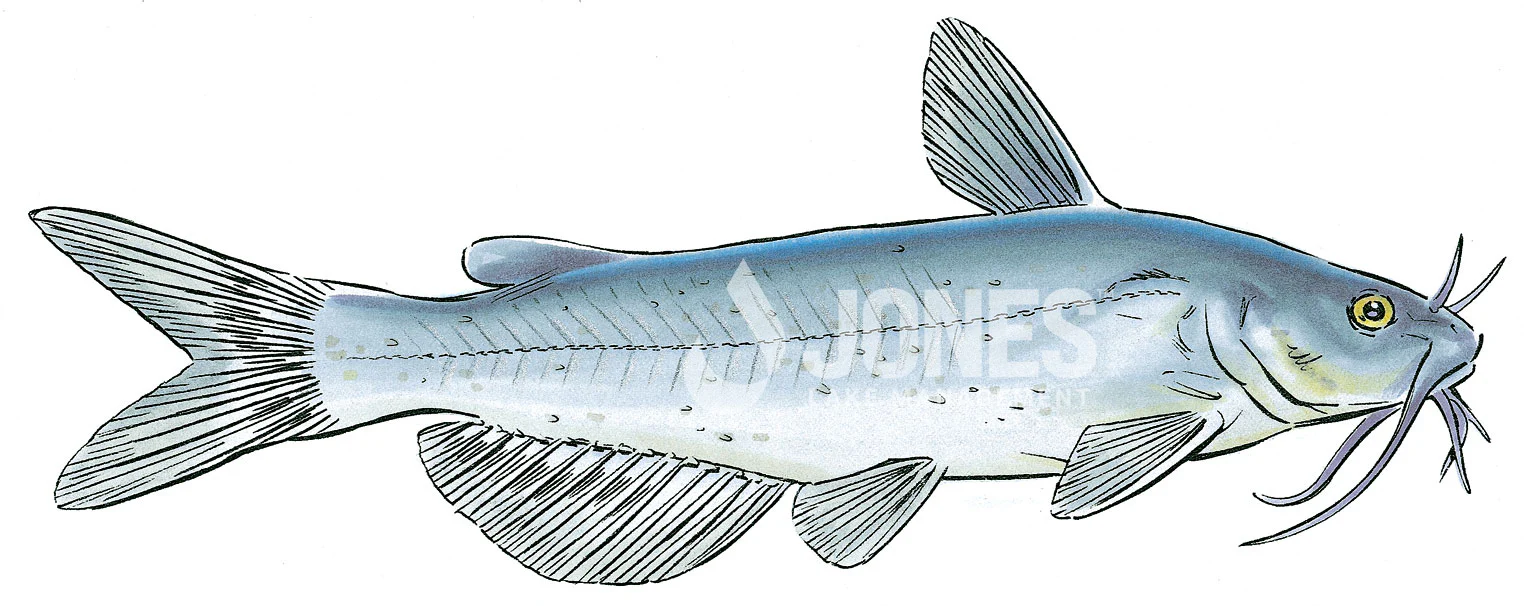
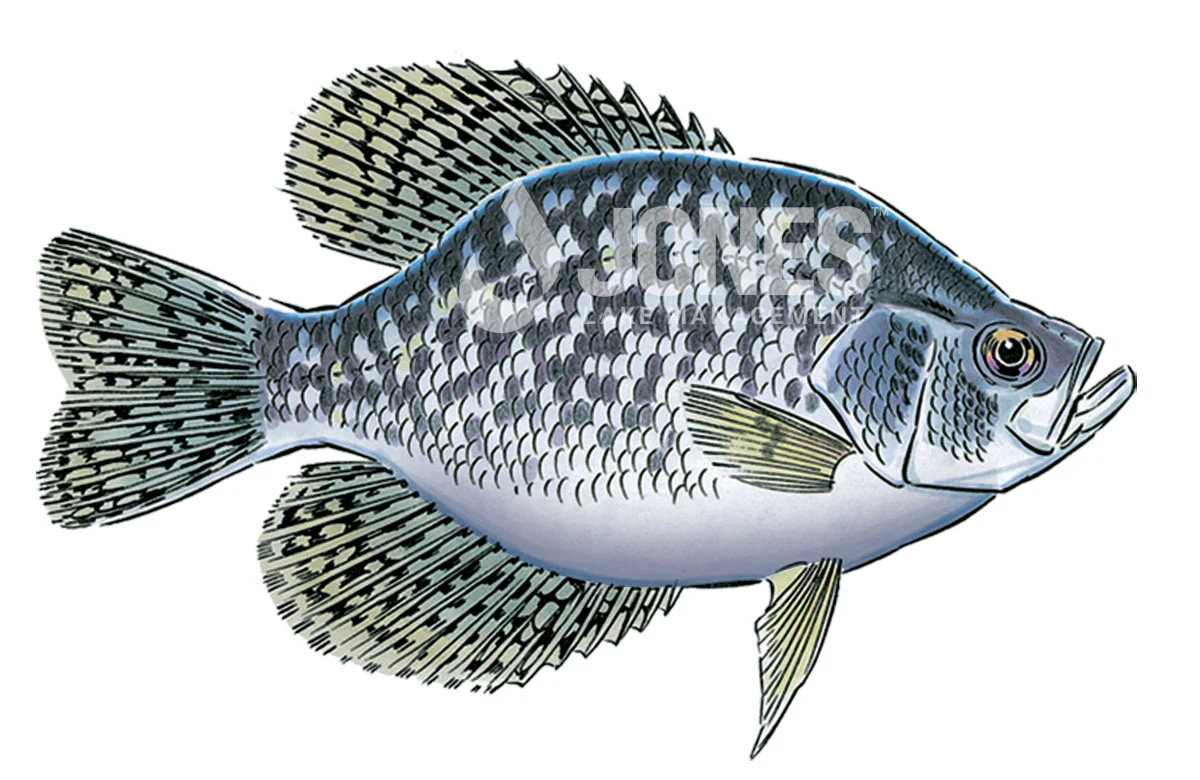
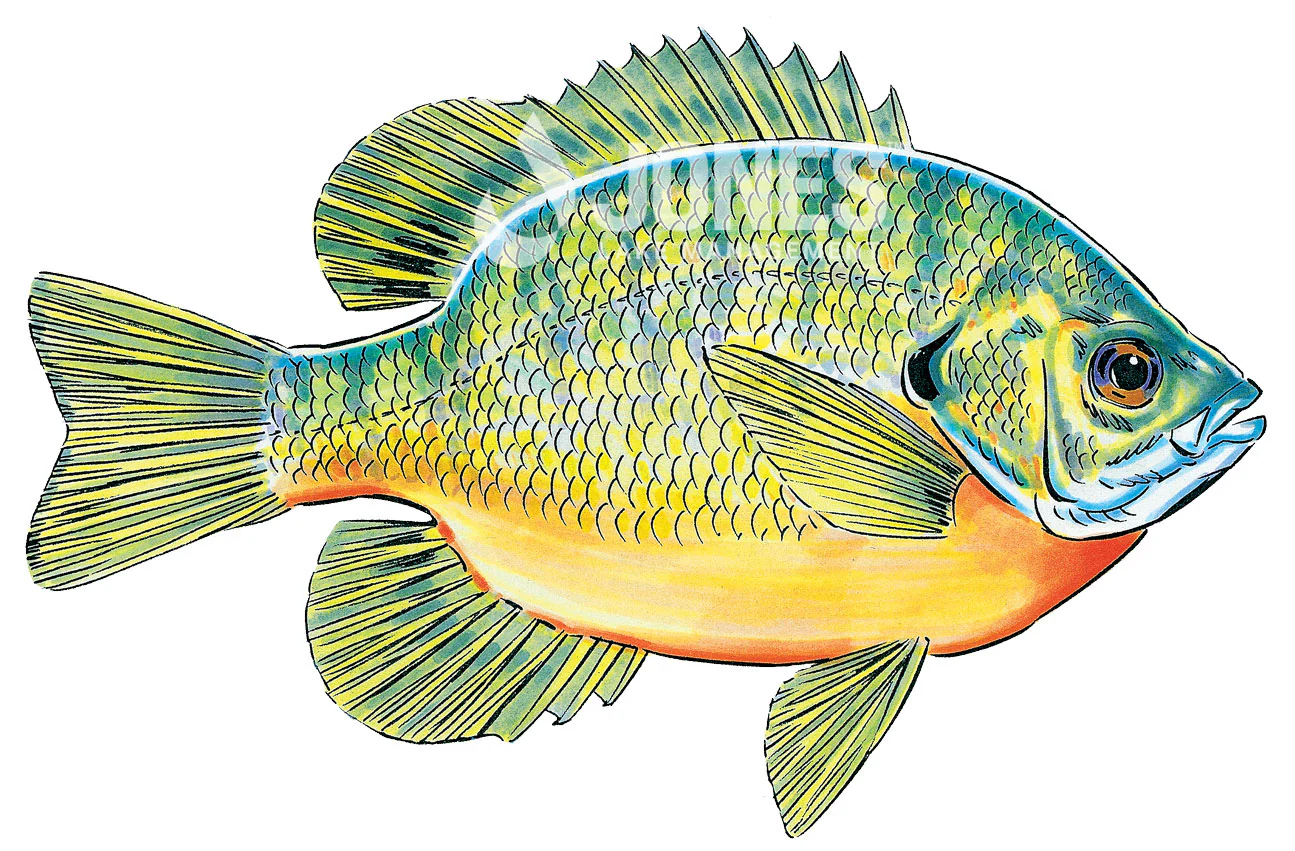
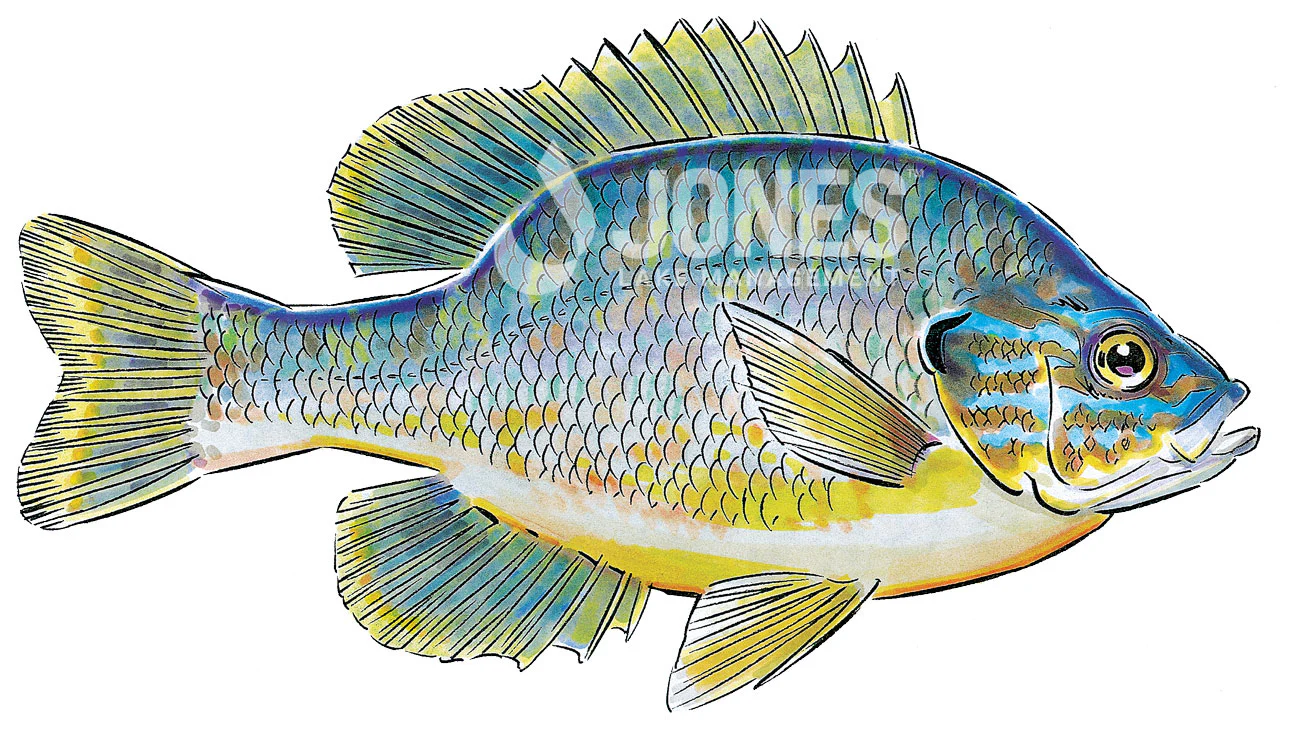
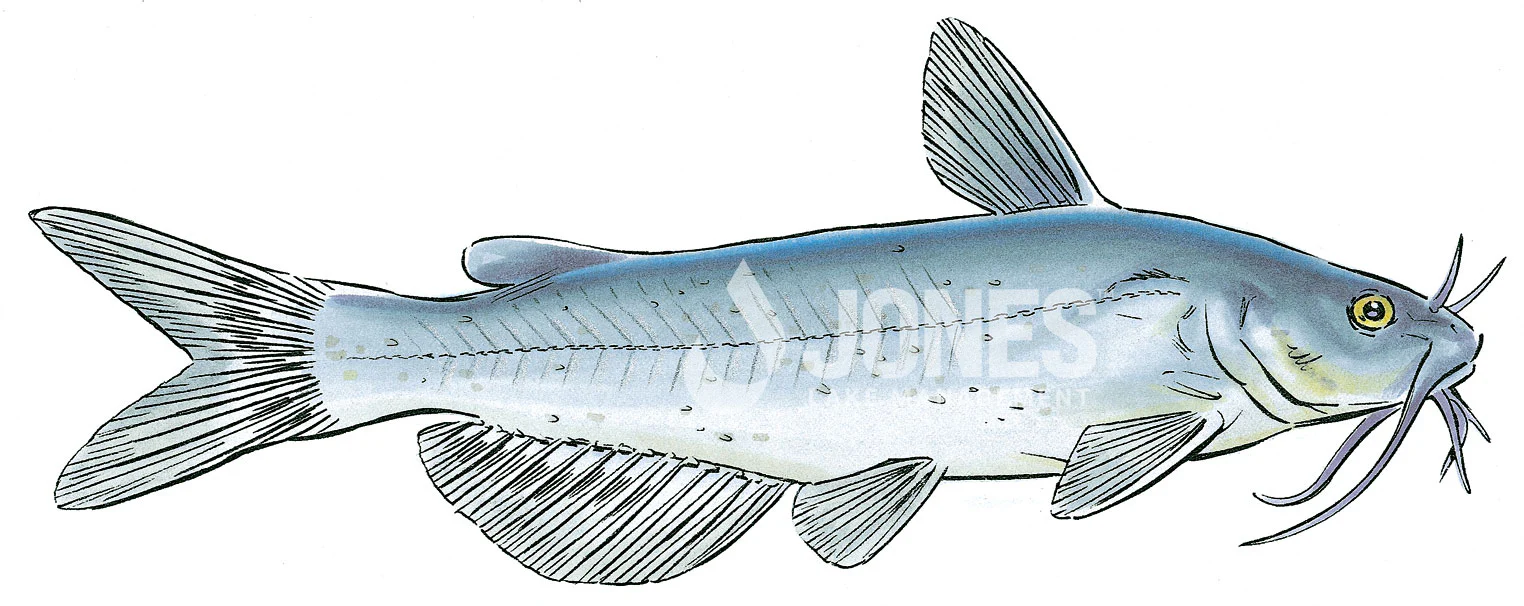
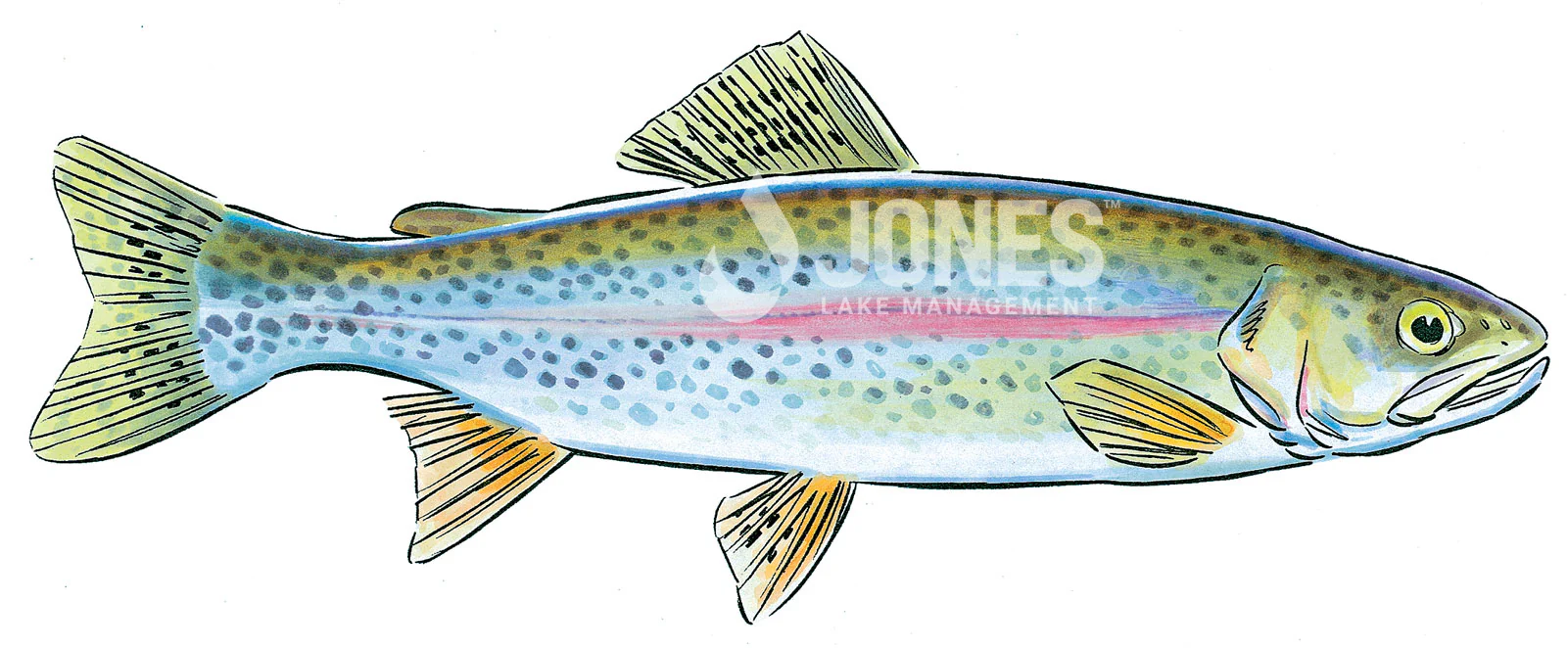
FATHEAD MINNOWS (Pimephales promelas) play an important role in supporting the larger fish you love to catch, like largemouth bass, black crappie and channel catfish. They provide a reliable food source, helping your predators grow faster and alleviating pressure on the bluegill population. Increased food availability reduces competition and can lead to faster growth rates for predators.
ALIAS: Tuffy, blackhead minnow, minner
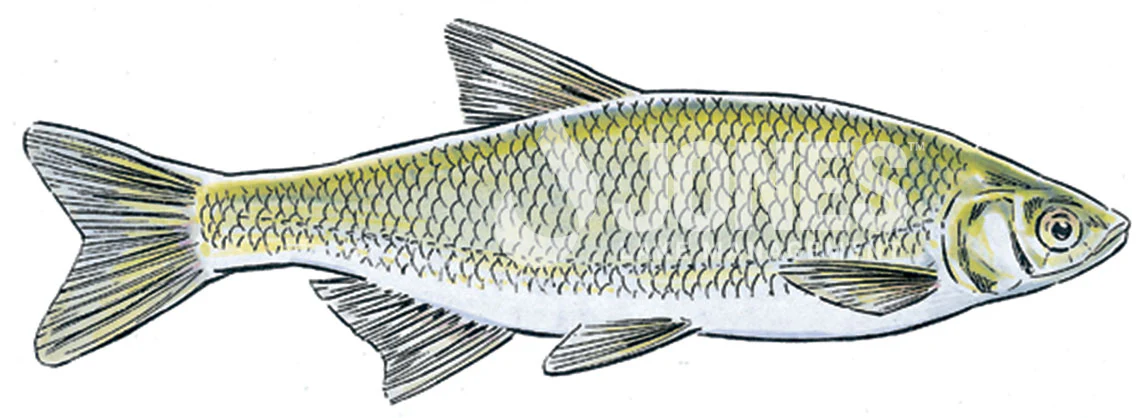
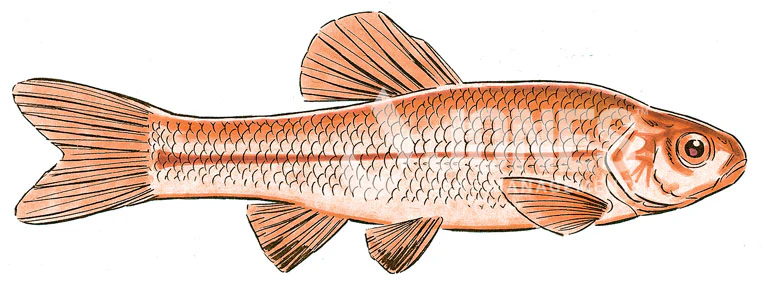
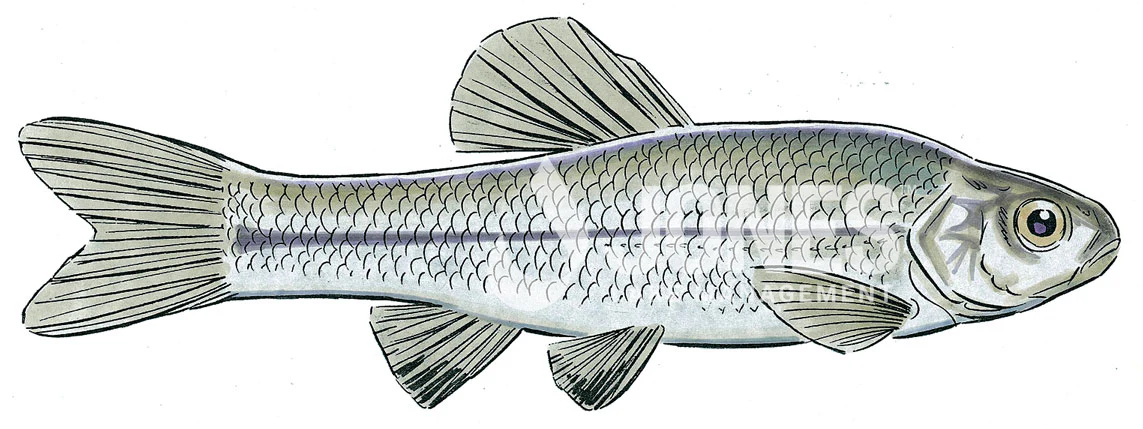
IDENTIFICATION: A small mouth, black midline running the length of the body and spot on the dorsal fin are indicative of the fathead minnow.
DIET: Zooplankton and phytoplankton.
SPAWNING: As fractional spawners, fathead minnows spawn throughout the spring and summer once water temperatures reach 64°F. Females spawn multiple times between spring and fall. Their reproductive rate makes them an excellent stocking choice.
TIPS: A twice per year supplemental stocking is recommended.
 40+ lbs. per acre stocking rate is recommended.
Product Information
Product Information
Shipping & Returns
Shipping & Returns
Fathead Minnows
Fathead Minnows
FATHEAD MINNOWS (Pimephales promelas) play an important role in supporting the larger fish you love to catch, like largemouth bass, black crappie and channel catfish. They provide a reliable food source, helping your predators grow faster and alleviating pressure on the bluegill population. Increased food availability reduces competition and can lead to faster growth rates for predators.
ALIAS: Tuffy, blackhead minnow, minner
IDENTIFICATION: A small mouth, black midline running the length of the body and spot on the dorsal fin are indicative of the fathead minnow.
DIET: Zooplankton and phytoplankton.
SPAWNING: As fractional spawners, fathead minnows spawn throughout the spring and summer once water temperatures reach 64°F. Females spawn multiple times between spring and fall. Their reproductive rate makes them an excellent stocking choice.
TIPS: A twice per year supplemental stocking is recommended.
40+ lbs. per acre stocking rate is recommended.
Original: $23.49
-65%$23.49
$8.22Product Information
Product Information
Shipping & Returns
Shipping & Returns
Description
FATHEAD MINNOWS (Pimephales promelas) play an important role in supporting the larger fish you love to catch, like largemouth bass, black crappie and channel catfish. They provide a reliable food source, helping your predators grow faster and alleviating pressure on the bluegill population. Increased food availability reduces competition and can lead to faster growth rates for predators.
ALIAS: Tuffy, blackhead minnow, minner
IDENTIFICATION: A small mouth, black midline running the length of the body and spot on the dorsal fin are indicative of the fathead minnow.
DIET: Zooplankton and phytoplankton.
SPAWNING: As fractional spawners, fathead minnows spawn throughout the spring and summer once water temperatures reach 64°F. Females spawn multiple times between spring and fall. Their reproductive rate makes them an excellent stocking choice.
TIPS: A twice per year supplemental stocking is recommended.
40+ lbs. per acre stocking rate is recommended.